


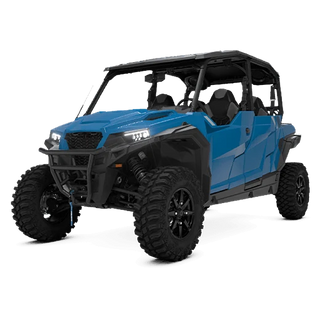
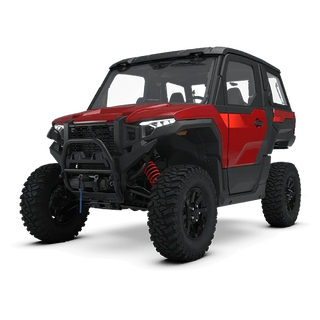
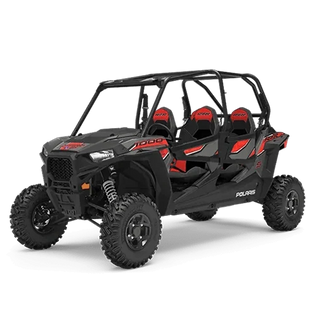
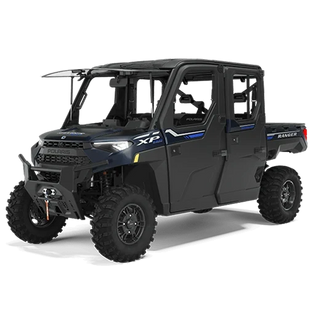
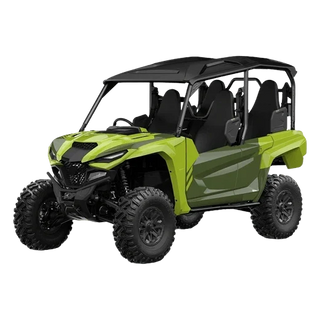
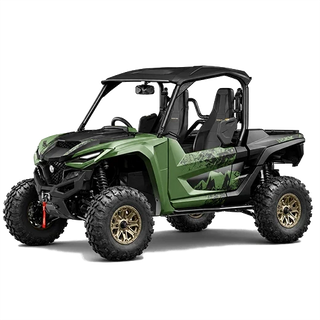
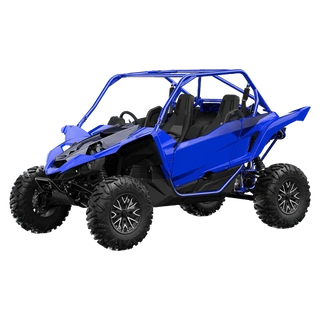




Polaris RZR Common Problems and How to Fix Them

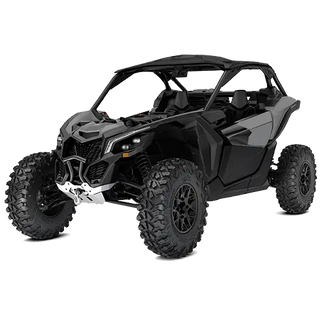
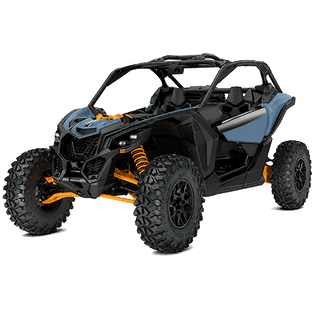
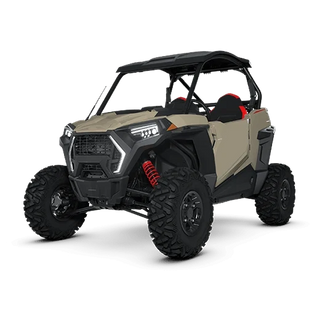
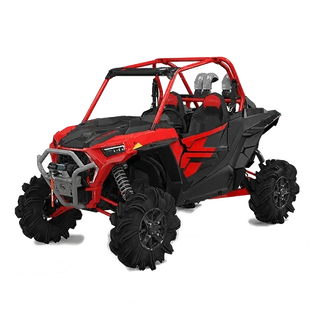
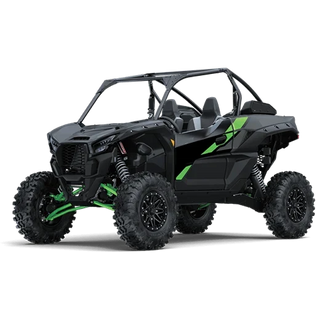
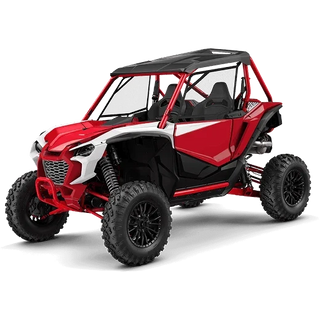
The RZR XP Turbo delivers superior performance for dune racing, while the RZR 900 enables drivers to navigate narrow forested pathways. The RZR exhibits operational challenges that occur when extreme weather conditions push its advanced performance capabilities beyond their designed limits.
Polaris RZR side-by-side ownership requires users to dedicate themselves both to exploring new territories and maintaining their vehicle. The most common issues that drivers encounter with their RZR vehicles become clear through this article, which also teaches drivers how to perform Polaris RZR maintenance tasks that will help them save money while preventing breakdowns during their trips.
This guide examines all main Polaris RZR issues that exist and provides detailed procedures for solving those problems while demonstrating how appropriate Polaris RZR accessories work to reduce forthcoming issues.
CVT Belt & Clutch Symptoms — Diagnosis and Fix
Why it matters: Most modern RZRs use a CVT (Continuously Variable Transmission) — the belt and clutch system transfers power. A worn or misadjusted belt or failing clutch causes slipping, shuddering, loss of power, overheating, and can strand you on the trail.
Common Signs
-
Whining, thudding, or a “slap” noise when you roll off the throttle.
-
Loss of acceleration, especially under load.
-
Vibration or sudden surging engagement.
-
Smoke or burning smell from the CVT area (heat buildup).
Checklist
-
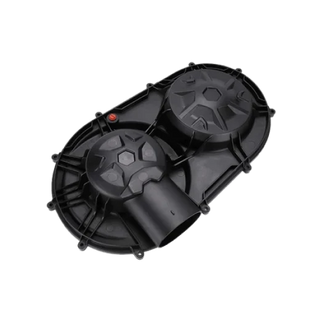
Remove the CVT cover (cool down first). Inspect the belt for glazing, cracks, frays, or missing cords.
-
Check for belt heat buildup or signs of excessive wear on the clutch sheaves.
-
Inspect primary and secondary clutch bearings — spin by hand and feel for roughness or binding.
Fixes and Solutions
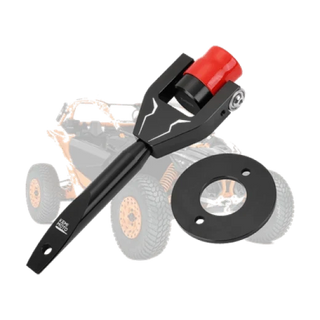
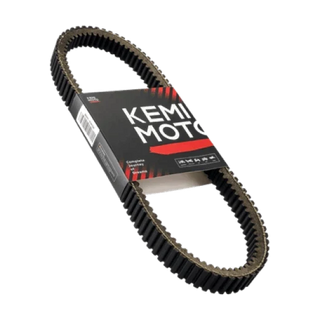
▶ Carry Spares: A spare belt, together with its replacement tools, must always accompany you on your hiking excursions. Any belt damage requires you to conduct a CVT belt replacement. All damaged bearings and clutch components must undergo replacement when they demonstrate visible movement or sustain operational failure.
▶ Proper Break-in: You should wait before applying maximum throttle after you install a new belt. You should travel 20 to 30 miles while changing your speed to let the belt complete its heating and cooling process.
▶ Choose the right kits: Riders who perform aggressive riding or use oversized tires should select a clutch kit that matches their specific setup requirements of weights and springs.
▶ Cleaning the Clutches: Service intervals require dedicated cleaning of clutch sheaves, while worn rollers and weights need replacement because a properly assembled, clean clutch system operates for extended periods without failure.

Battery Drains & Electrical Gremlins
Symptoms: Battery dead in the morning, intermittent starting, accessories losing power, blown fuses, or melted wires in extreme cases.
Typical Causes
-
Loose battery terminals or poorly routed battery connectors. Tightening and protecting terminals fixes a lot of mysteries.
-
Parasitic draws from aftermarket accessories (lights, audio, chargers) or a shortened wire.
-
Damaged battery terminal covers or seat interference that can expose the positive post.
Troubleshooting
-
Tighten terminals and clean corrosion. Use dielectric grease on posts after cleaning.
-
Do a parasitic draw test: disconnect the negative terminal and measure amps to see if there’s a >50-100 mA draw with everything off (use a clamp or multimeter). Remove fuses one by one to isolate the circuit.
-
Disconnect aftermarket accessories to see if the draw disappears.
Fixes & Prevention
▶ Replace damaged battery terminal covers and secure/route wires away from the seat and any moving parts.
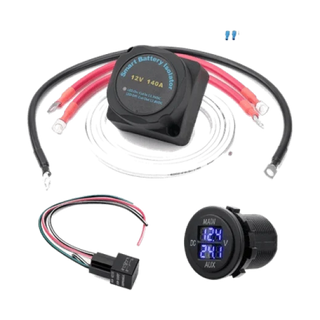
▶ Install fuse-accessible wiring harnesses for accessories and add an isolator or kill switch for high-draw accessories. Consider heavy-duty terminal protectors and battery boxes to prevent shorts.
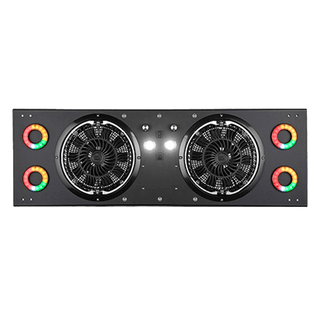
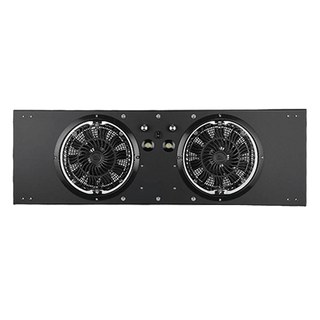
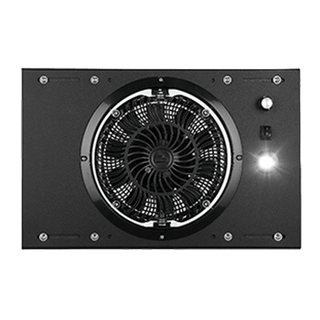
Cooling System Problems and Signs of Overheating
Symptoms: engine temperature rising excessively, coolant being lost, a decrease in engine output, or seeing warnings from your engine that you may be having a thermal shutdown issue.
Typical Causes
-
Radiator fins may become clogged by mud, brush, etc.
-
Coolant level in the reservoir is too low, or coolant has degraded.
-
The fan motor or thermostat is not functioning properly.
-
Heavy loads, before a lack of adequate cooling upgrades (towing or climbing steep inclines).
Checks & Fixes
▶ Following muddy trail rides, use low-pressure water and a soft brush to clean your radiator fins.
▶ Check coolant level in your reservoir as well as test coolant strength. When it is time for coolant replacement, replace based on your schedule.
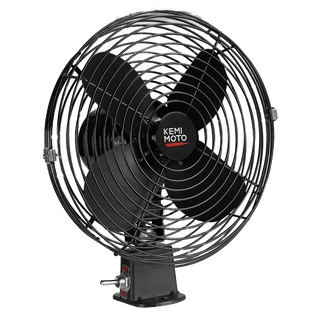
▶ Inspect all of your radiator hoses/clamps and the operation of your fan. If any of these parts are faulty, either replace the thermostat or the fan, depending on which one is the problem.
Suspension, bent A-arms, and steering damage
Symptoms: Vehicle pulls to one side, unusual tire wear, clunks over bumps, or visible bent arms/tie rods after an impact.
Typical Causes
- Hitting stumps, rocks, or hard landings can bend A-arms, tie rods, radius rods, and control arms.
- Worn bushings and ball joints cause play and misalignment.
Checks
-
Visual inspection for bent or cracked arms, and test for free play at ball joints and tie rods.
-
Measure wheel toe and camber, or note uneven tire wear. A bent radius or A-arm often shows as misalignment.
Temporary Fixes
▶ Straighten bent radius rods where feasible, but be cautious — metal fatigue can cause failure. For serious bends or cracked welds, replace.
▶ Use a temporary shimming or reinforcement only as a last resort; plan to replace bent components ASAP.
Long-term fixes & upgrades
▶ Replace with OEM or heavy-duty aftermarket A-arms, tie rods, and gussets. Consider reinforced arms or trailing arm kits if you ride aggressively.
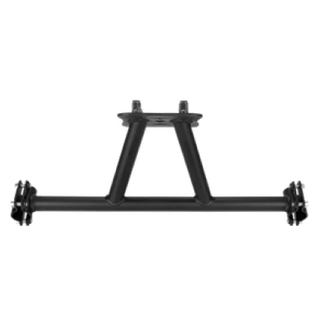
▶ Recommend that you prepare a spare tire (and install the Kemimoto spare tire carrier mount) for an emergency.

Driveability Issues: Fuel & Ignition Checks
Symptoms: difficulty starting, popping sounds, misfiring, rough idling, or poor throttle response.
Causes & Checks
-
Old or fouled spark plugs — check and replace if needed (proper gapping).
-
Dirty air filter — many RZR issues can be resolved by changing the air filter! A dirty air filter does not allow adequate airflow, which causes power loss and may lead to a failure of the drivetrain or suspension.
-
Fuel delivery problems: clogged fuel filter, bad/fouled gasoline, or bad/failing fuel pumps.
-
Malfunctioning ignition coil/wiring.
Fixes
▶ Change out spark plugs and air filters regularly. Fuel stabilizers should be utilized for any vehicle that is stored for an extended period of time.
▶ Check fuel pressure from the pump to the fuel rail, and check for blockage in the fuel filter and/or line. If there are no blockages, then check the fuel pump for pressure.
▶ Inspect ignition coil wiring and connectors for corrosion and/or damage and replace as needed.
Bearings, Wheel Hubs, and Differential Noises
Symptoms: Grinding, loud clicking, or wheel play.
Causes: Worn wheel bearings/hub assemblies or gearbox/differential wear from water ingress or lack of lubrication.
Fixes
▶ Lift the wheel and check for play. Replace bearings or hubs that have play or rough rotation.
▶ Inspect seals and change gearcase fluids per schedule. Keep differential fluid levels correct to avoid premature wear.
Quick Maintenance Checklist
★ Before every ride: check oil, coolant, tire pressure, belt visual, and battery tightness.
★ Every 500 miles / 6 months: change engine oil, lubricate pivot points, inspect drive belt and clutches.
★ Every 2,000 miles / 2 years: replace spark plugs, inspect gearcase fluids.
★ After muddy/wet rides: clean radiator, inspect seals, and change fluids if water ingested.

Conclusion
The Polaris RZR functions as an outstanding machine that requires users to show both proper handling and continuous maintenance. The RZR will spend more time on the trail and less time on the trailer when you complete the tasks, which include maintaining your vehicle, recognizing side-by-side problem signs, and using premium Polaris RZR accessories to upgrade weak points.
Your machine will reveal its operational issues through "common problems", which you should treat as learning opportunities. Your UTV mechanical knowledge will increase your confidence during performance testing because it helps you understand your vehicle better.
Do you want to improve your RZR? Visit Kemimoto to discover the essential accessories that will help you customize and safeguard your vehicle while improving its performance today. Use the discount code "KMSEO" to enjoy an extra 15% off.


