













Understand the
Rider Problem
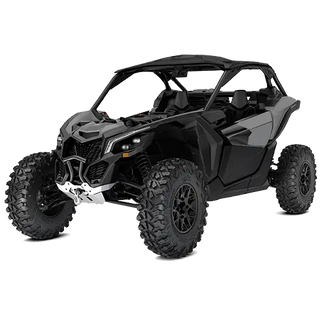
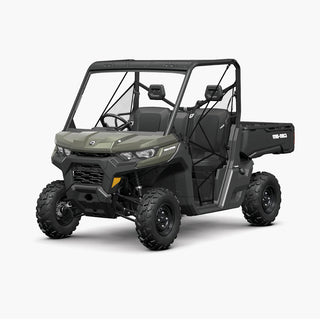
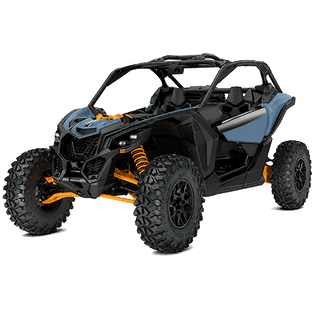
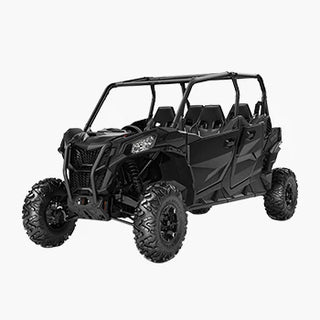
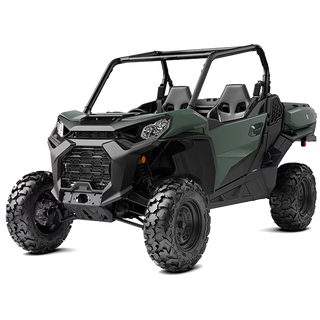
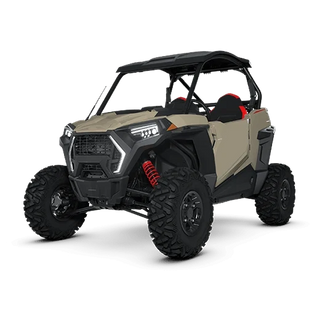
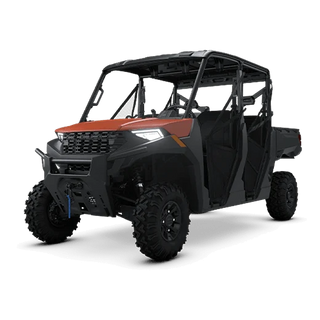
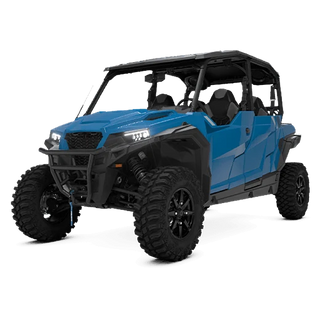
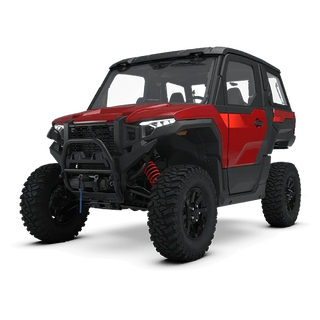
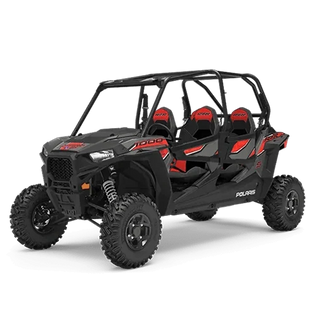
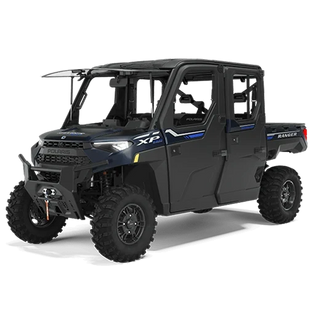
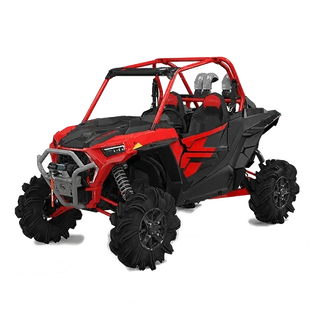
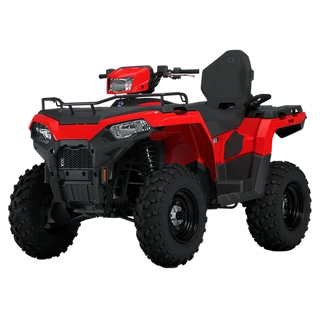
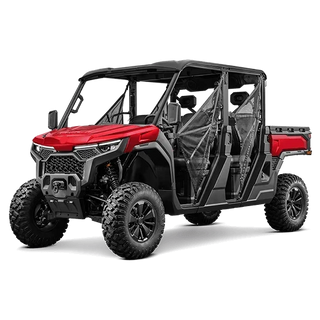
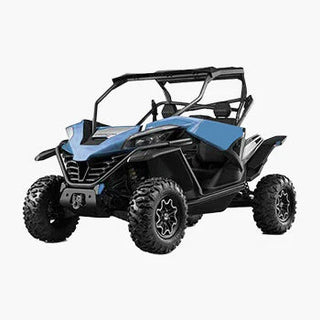
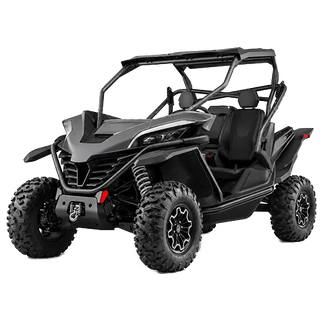
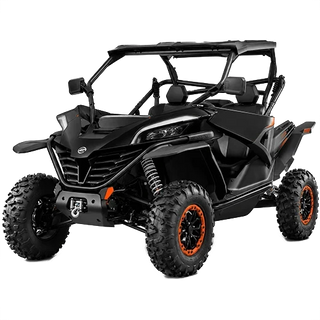
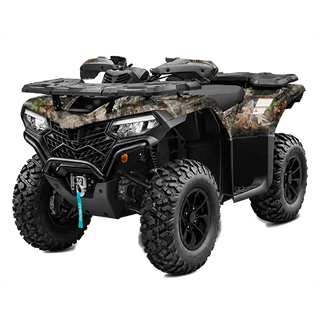
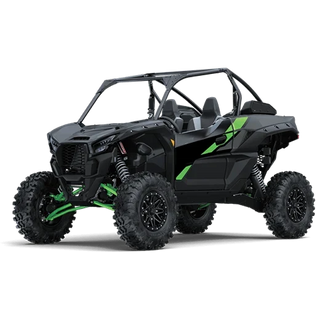
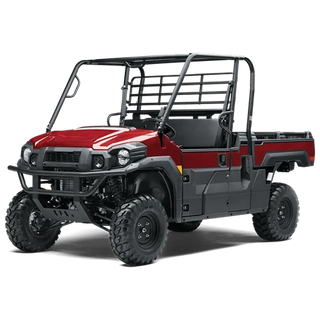
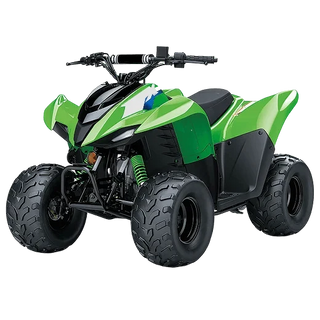
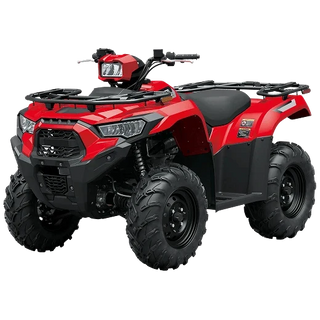
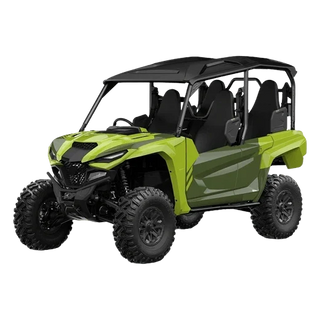
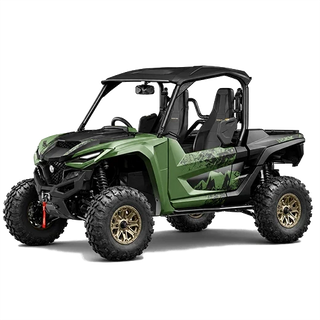
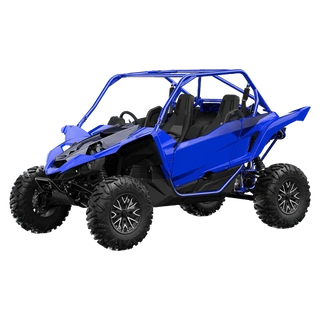
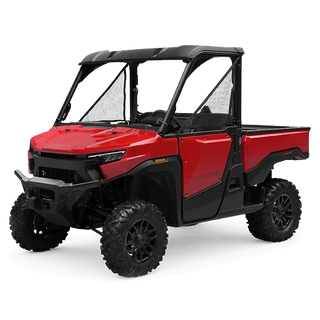
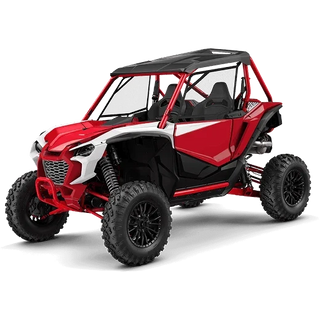
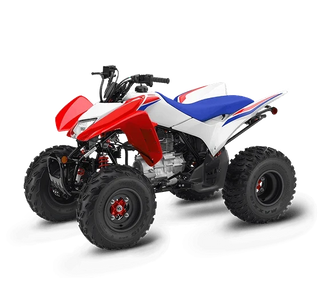
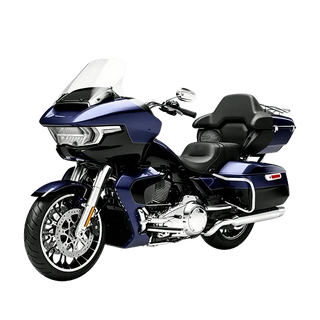
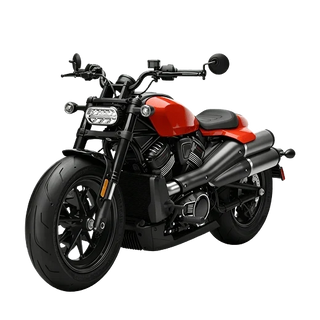
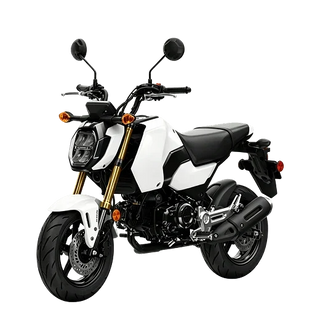
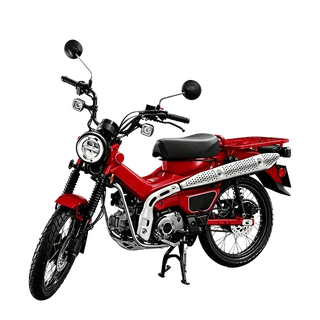
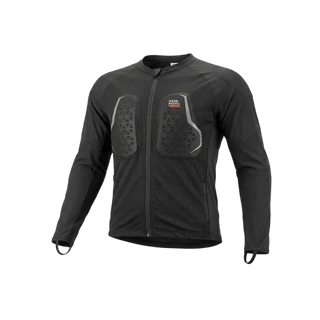
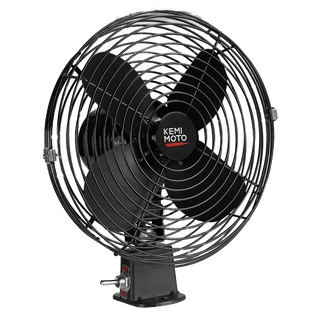
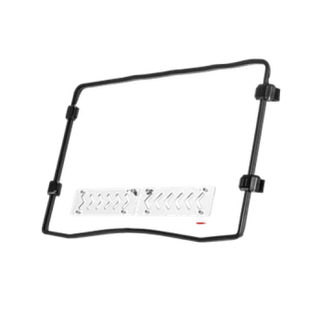
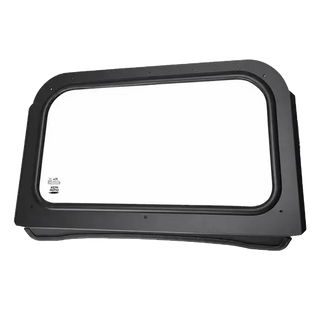
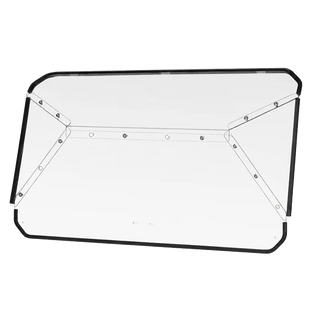
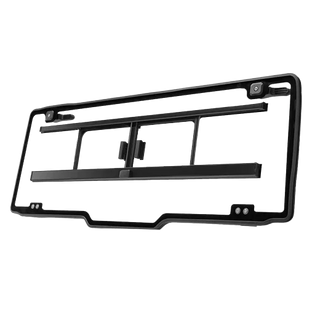
Identify the target vehicle, installation position, use environment, functional requirement, and potential failure risks.


Since 2011, Kemimoto has grown into a global powersports accessories provider specializing in vehicle-specific UTV, ATV, motorcycle, and marine accessories, serving more than 80 million riders worldwide.

Kemimoto was born in 2011 in the Nevada desert, when five riders became frustrated by accessories that failed or did not fit when they were needed.
One early problem led to a simple idea: a UTV mirror that could be installed in about one minute without forcing riders to search for additional hardware. That rider-first solution became the foundation of Kemimoto’s vehicle-specific development philosophy.
What began as a five-person startup has grown into a global team of more than 500 professionals. Today, Kemimoto develops accessories for UTV, ATV, motorcycle, and marine applications.
We do not begin with a generic part and ask where it might fit. We begin with the vehicle, the rider, the riding environment, and the problem that needs to be solved.
For Canadian riders, that may mean preparing a side-by-side for winter property work, protecting equipment on wet and muddy trails, improving storage for longer trips, or choosing vehicle-specific accessories that remain secure over uneven terrain.


We believe specialized expertise drives superior quality. Kemimoto is powered by a team of 500+ professionals, including industry-leading experts across R&D, creative design, content strategy and customer service.


Masterminding precision fitment and peak durability for extreme environments.


Transforming bold concepts into the industry’s most innovative off-road gear.


Delivering professional, battle-tested off-road guides for Canadian UTV riders and the global riding community.


Providing expert solutions and rapid-response support for every rider’s journey.
A clear, closed-loop process connects rider needs, vehicle data, prototyping, installation, product-relevant validation, and refinement.
Identify the target vehicle, installation position, use environment, functional requirement, and potential failure risks.
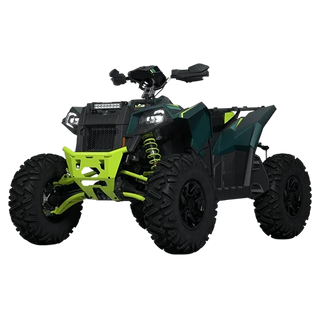
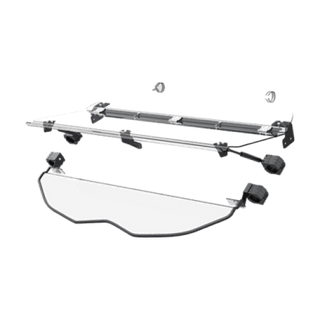
Combine vehicle measurements, 3D scanning, reverse engineering, CAD development, and dimensional inspection where applicable.
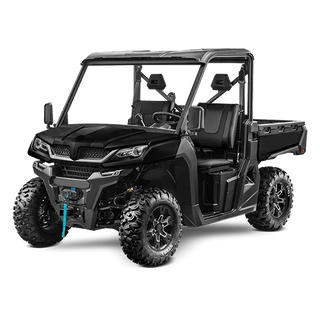
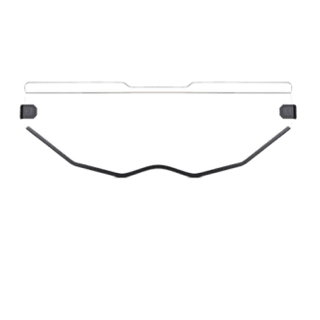
Use methods such as 3D printing and CNC machining, then review mounting position, clearance, hardware, access, and operation.
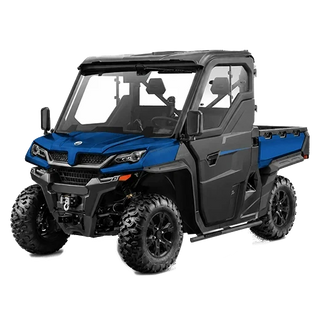
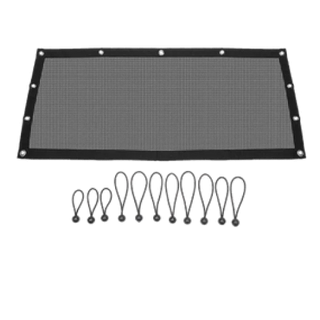
Choose validation methods according to materials, structure, electronics, installation method, and intended use.
Use installation findings, laboratory observations, and rider feedback to improve the product and its instructions.
Different products face different risks. Kemimoto selects laboratory methods according to the product category, material, construction, power system, and intended application.
Identify whether the product is a vehicle-mounted structure, powered electronic accessory, optical component, or textile/soft good.
Review fitment, vibration, corrosion, water entry, UV exposure, temperature, electrical, optical, and transportation risks as applicable.
Select only the laboratory methods that correspond to the product's materials, construction, power system, and intended use.
Document observations and use them with installation and rider feedback to improve the product before release.

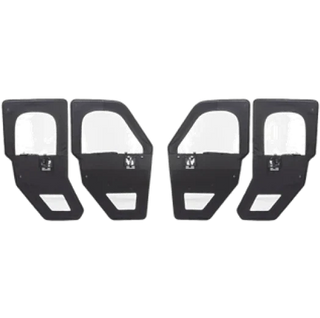
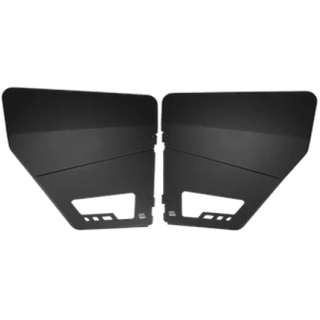
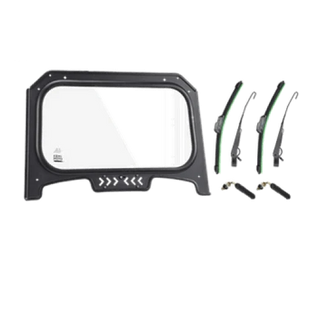
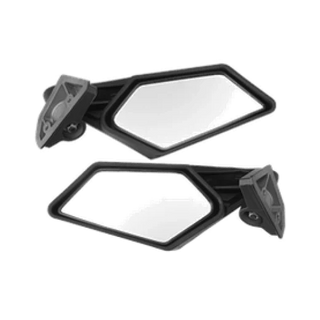
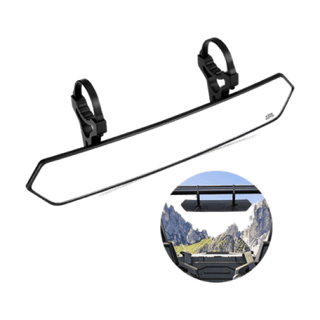
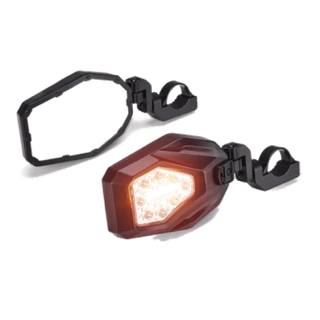
Vehicle-mounted products such as cargo racks, brackets, mirrors, doors, lighting, and electronic accessories may be evaluated through six-axis motion simulation. This capability recreates multi-directional movement to help engineers review structural stability, fastener security, component fatigue, and the risk of loosening or detachment under off-road vibration.

Kemimoto's walk-in environmental chambers can evaluate applicable products and materials under temperature, humidity, and environmental cycling conditions. These capabilities help engineers study operating stability, storage reliability, thermal cycling, moisture exposure, and material aging. Selected Kemimoto gear is tested at temperatures as low as -40°C (-40°F). Temperature ranges, exposure times, cycles, and acceptance criteria remain product-specific.

Metal parts, surface treatments, fasteners, terminals, and other applicable components may undergo continuous 5% neutral salt spray testing for 48 to 500 hours, depending on the material, product, and validation requirement. This testing helps engineers evaluate corrosion resistance in conditions associated with coastal air, moisture, mud, and long-term outdoor exposure. The applicable duration and acceptance criteria should be disclosed at product level where supporting records are available.

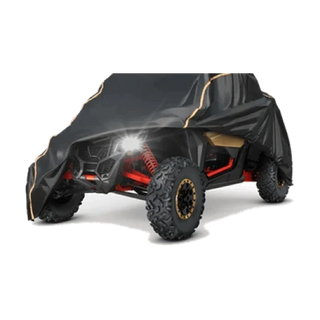
Soft tops, enclosures, storage bags, and other textile products may be evaluated using hydrostatic-pressure equipment. Testing can focus on fabrics, seams, sealing tapes, zippers, and other potential water-entry points. This helps engineers review water-pressure resistance and improve sealing structures for rain, splashing, and wet off-road environments. Water-resistance claims remain product-specific and should distinguish water repellency from tested waterproof performance.

Electronic components such as PCBs and sensors, along with housings and mounting brackets, may undergo electromagnetic vibration testing. The purpose is to identify vibration-related fatigue, loose parts, detachment, and interrupted electrical contact before release.

Additional capabilities include dimensional inspection, optical transmittance, illuminance, tensile testing, thermal imaging, DC load evaluation, waveform analysis, ESD, and connector-cycle testing.

Applicable plastics, coatings, soft tops, bags, and fabrics may undergo UV-aging evaluation to review fading, cracking, surface deterioration, and performance loss under prolonged light exposure.

Applicable vehicle electronics, chargers, controllers, and powered gear may be checked using electrical-safety analysis, DC supply and load equipment, waveform/current measurement, ESD, and connector-cycle testing.

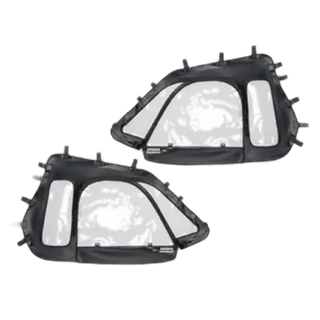
Soft cab enclosures and weather-protection gear may be field-tested in temperatures as low as -40°F to evaluate material flexibility, window clarity, zipper operation, fit, and overall performance under extreme cold and snowy conditions.

Soft cab enclosures and fabric accessories are patterned directly on the original vehicle to capture body contours, mounting points, openings, and clearances. These measurements are refined into production-ready patterns to help ensure precise fit, proper coverage, and reliable installation on the finished product.
| PRODUCT CATEGORY | PRIMARY RISKS | APPLICABLE LABORATORY CAPABILITIES |
|---|---|---|
|
Vehicle-mounted structures |
Fitment, loosening, fatigue, deformation, corrosion | Dimensional inspection; 6-axis simulation; electromagnetic vibration; tensile/pull-force; mechanical impact; salt spray |
| Vehicle electronics | Vibration, power instability, abnormal heat, ESD, connector wear | Electromagnetic vibration; thermal imaging; DC supply/load; waveform and current analysis; ESD; connector-cycle testing |
|
Soft tops, enclosures and bags |
Water entry, seam/zipper failure, UV aging, tensile failure | Hydrostatic pressure; tensile testing; UV aging; temperature/humidity exposure |
|
Mirrors, windshields and lighting |
Optical clarity, illuminance, UV exposure, impact, fitment | Optical transmittance; illuminance; UV aging; mechanical impact; dimensional inspection |
| Packaging and delivery | Movement, loosening, impact and transportation damage | Simulated transportation vibration; packaging inspection; batch consistency checks |
Founded in 2011, with more than 15 years of manufacturing and product-development experience.
More than 100 R&D engineers, including over 20 industry veterans with 20 to 30 years of product-development experience.
Vehicle-specific development for major platforms including Can-Am, Polaris, CFMOTO, Honda, Yamaha, and Kawasaki.
SEMA member.
Rated 4.1 out of 5 on Trustpilot from more than 3,500 customer reviews as of June 2026. This is a global brand-review figure, not a Canada-only rating.
MUSE Design Awards for the Midnight Soundbar in 2024 and 2026.
A team of 30 powersports specialists supports compatibility confirmation and installation troubleshooting.
Warehouses in Canada support domestic delivery. The current Canadian shipping policy estimates delivery within 6 to 8 days, depending on location and inventory status.
Learn more about Kemimoto Canada, product fitment, testing, shipping, support, and how our powersports accessories are developed.
Kemimoto is a global powersports accessories brand founded in 2011 and serving more than 80 million riders worldwide. The company has more than 500 professionals, over 100 R&D engineers, more than 300 patents, SEMA membership, and a 4.1 out of 5 Trustpilot rating from more than 3,500 customer reviews as of June 2026. Canadian customers can shop through Kemimoto Canada and access domestic fulfilment according to location and inventory.
Kemimoto uses vehicle measurements, fitment data, 3D scanning, reverse engineering, CAD development, prototype installation, and dimensional inspection where applicable. Before ordering, Canadian riders should still confirm the listed year, make, model, trim, and any installation requirements on the relevant product page.
Kemimoto has laboratory capabilities for temperature, humidity, vibration, corrosion, water resistance, UV aging, and electrical evaluation. Selected Kemimoto gear is tested at temperatures as low as -40°C (-40°F), but not every product undergoes the same tests or carries the same operating-temperature rating. Customers should rely on the specifications and test claims published for the individual product.
Kemimoto’s Canadian shipping policy states that warehouses in Canada support domestic delivery. Estimated delivery is 6 to 8 days, depending on the customer’s location and inventory status. Free shipping is available within Canada except to the Northwest Territories, Nunavut, and Yukon. Remote-area customers should contact Kemimoto before ordering to confirm availability and cost.
Yes. Kemimoto’s powersports support team helps customers confirm product compatibility, troubleshoot installation issues, and identify appropriate solutions for their vehicles. Customers should provide their vehicle year, make, model, product link or SKU, and order number when requesting support.
Kemimoto combines vehicle-specific development, rapid prototyping, installation review, product-relevant laboratory capabilities, customer feedback, and aftermarket value. Rather than assuming that one accessory fits multiple vehicles, the development process begins with the target vehicle, intended use, installation position, and relevant product risks.

